Advanced Training Course in Molecular Bioengineering 2026
Peptides Powering the Future of Skin Care: from cosmetics to therapeutics
6-10 July 2026 | i3S, Porto, PT
Welcome
The MOBILIsE Advanced Training Course in Molecular Bioengineering is designed to provide a training platform for educating the next generation of Molecular Bioengineering leaders – a rapidly growing field that explores the most recent advances in chemical, biological, and engineering sciences, to develop advanced molecular-level solutions to complex medical problems.
This year, on its 4th edition, the course will be organised together with the SNOOPY COST Action (CA23111), and will focus on the power of peptides in therapeutics and cosmetic development, aiming to provide an integrated view of skin-active peptides, spanning cosmetic peptide discovery and design, advanced characterization, formulation, and translational therapeutic applications.
As in the previous editions, the course will run the entire day from Monday to Friday. The program combines morning lectures with hands-on practical sessions (26 hours total) in the afternoons, enabling participants to connect theory with real-world experimental workflows. In this edition, participants will:
- Gain a solid understanding of peptide roles in skin care and therapeutics;
- Acquire hands-on experience with key characterization and modelling techniques;
- Learn how to translate cosmetic peptide research toward therapeutic applications;
- Develop skills in data analysis, reporting, and scientific communication; and
- Gain industry perspectives highlighting translational and formulation perspectives.
Date and Venue
6-10 July 2026
i3S – Instituto de Investigação e Inovação em Saúde, University of Porto, Porto, Portugal
Rua Alfredo Allen, 208; 4200-135 Porto, Portugal
Tel: +351 226 074 900 | E-mail: events@i3s.up.pt
GPS coordinates: 41º 10’ 30.008’’ N, 8º 36’ 12.488’’ W
How to arrive at i3S and Accommodation suggestions
Target Audience and Requirements
This course is designed for researchers, industry scientists, and advanced trainees interested in peptide science, skin models, formulations, and data-driven approaches. It can be attended by:
> Postgraduate students: Master’s and PhD students enrolled in Biomedical Engineering or Bioengineering master’s and doctoral programmes, or related areas.
> Researchers working on peptide/protein and biomolecular interactions in general for different biomedical applications.
> Industrial professionals developing biomaterials, drugs, and biomedical devices.
> Internal and external members. 30 participants max.
The course is taught in English. Participants need to bring their laptop.
Organising Committee
> Helena Azevedo | Molecular Biomaterials Group, i3S, Portugal
> Mariana Simões | MOBILIsE, i3S, Portugal
> Paula Gomes – Faculty of Sciences, University of Porto; LAQV-REQUIMTE, Portugal
> Daniela Kalafatović – Faculty of Engineering, University of Rijeka, Croatia
> MOBILIsE ERA Chair project, INEB/i3S, Portugal
> SNOOPY – Searching for Nanostructured or pOre fOrming Peptides for therapY (COST Action CA23111)
Lecturers
Goran Mauša
Fac. Engineering, University of Rijeka, Croatia
Goran Mauša
Fac. Engineering, University of Rijeka, Croatia
> Center for Artificial Intelligence and Cybersecurity, University of Rijeka, Rijeka, Croatia
Goran Mauša is a computer scientist and professor at the Faculty of Engineering, University of Rijeka in Croatia and head of Computer Science department. His research is focused on developing reliable and accurate prediction models based on machine learning, algorithmic solutions for optimization and generative AI models with application primarily in the field of peptides, but also environmental engineering, software engineering and robotics.
Prof. Mausa participated in over 25 research projects, out of which 2 Horizon projects, 4 major projects funded by the national science foundation and he was the principal investigator of 8 projects. Out of 24 journal publications, it’s worth to point out his work published in Nature Machine Intelligence about the development of a generative AI model for reshaping the discovery of self-assembling peptides. He authored over 40 conference papers and posters, and gave 19 invited talks, including the ones at Boulder Peptide Symposium 2025 in Colorado, USA and European Peptide Symposium 2024 in Florence, Italy on Applications of computational AI/ML in peptide research. In 2022, he received national annual award for research excellence by the Croatian Ministry of science and education, and several awards for scientific achievements and teaching excellence by University or Rijeka.
He is also an experienced mentor with over 65 defended master and bachelor theses, 1 defended PhD thesis and 6 PhD students currently under his supervision.
ORCID >> Personal page >>
Artur Cavaco-Paulo
University of Minho; Solfarcos, Portugal
Artur Cavaco-Paulo
University of Minho; Solfarcos, Portugal
> Solfarcos - Pharmaceutical and Cosmetic Solution, Lda, Portugal
Prof. Artur Cavaco-Paulo is Associated Professor with habilitation in the Department of Biological Engineering at the University of Minho and holds a Changjiang Professorship at Jiangnan University, Wuxi, PR China.
Prof. Cavaco-Paulo founded the spin-off Khairpep (renamed K18), which was acquired and is now part of the Unilever Prestige group. He is CEO/CSO and the majority shareholder of Solfarcos Ltd. (a spin-out from the University of Minho), where he serves as Scientific Chief Officer and Chief Executive Officer. Solfarcos commercializes bio-based active ingredients for pharmaceuticals and cosmetics, including the world’s first recombinant protein for cosmetics and several hair-care peptides. The company is also conducting Phase 2 clinical trials of a pharmaceutical formulation for rheumatoid arthritis that contains a targeting folate anchored in methotrexate (MTX) liposomes.
He has participated in more than 20 EU projects. As of September 2025, he has supervised over 55 PhD dissertations and published more than 440 peer-reviewed papers (h-index 68).
ORCID >>
Personal page >>
SOLFARCOS>>
Ana Gomes
LAQV- REQUIMTE, FCUP, Portugal
Ana Gomes
LAQV- REQUIMTE, FCUP, Portugal
Ana Gomes is an Assistant Researcher with a permanent contract (FCT Tenure) at LAQV-REQUIMTE, and the Principal Investigator of an FCT-funded project on ionic liquid-modified peptidomimetics for in situ forming hydrogels envisaging their use on the topical treatment of diabetic foot ulcers, since December 2025.
Overall, her research focuses on designing innovative peptide-based biomaterials and strategies to address skin disorders, from treatment of challenging wounds to cosmeceutical applications.
Dr Gomes obtained her BSc (2011) and MSc (2013) in Chemistry from the Faculty of Sciences of the University of Porto. From 2013 to 2016, she worked as a pre-doctoral research assistant in the framework of research projects funded by Fundação para a Ciência e Tecnologia (FCT) and which were focused on combining computational and experimental approaches to rescue classical antimalarial drugs. In 2017, she was awarded a PhD grant to develop novel peptide/ionic liquid-based constructs to address skin disorders, while also contributing to the ANTINFECT project, dedicated to antimicrobial peptide-grafted biomaterials for topical use on infected wounds. After completing her PhD in December 2021, Ana secured a Junior Researcher Position funded by FCT (CEEC -5th edition) to lead the project “PEP-IL-SKIN,” focused on peptide-ionic liquid systems for topical treatment of complicated skin and soft tissue infections.
To date, Dr Gomes co-authored 26 publications (50% as first author) and contributed to several national and international conferences (including invited talks and a webinar for the Italian Peptide Society). Additionally, she is co-inventor of a pending international patent (WO/2023/248196) and an active member of WG2 and WG3 of the COST Action SNOOPY - Searching for Nanostructured or pOre fOrming Peptides for therapY (OC-2023-1-26499).
ORCID >>
Personal page >>
Ivan Sasselli
CFM, CSIC-UPV/EHU, Spain
Ivan Sasselli
CFM, CSIC-UPV/EHU, Spain
Dr. Ivan R. Sasselli is a Ramón y Cajal Researcher at the Materials Physics Center (CFM, CSIC–UPV/EHU, Spain). His research combines computational and experimental approaches to study supramolecular peptide assemblies, with particular expertise in coarse-grained molecular dynamics simulations and peptide materials modeling.
He obtained his PhD in Chemistry from the University of Strathclyde (UK) in 2016 as a Marie Skłodowska-Curie ESR and subsequently carried out postdoctoral research at Northwestern University (USA). He began his independent career in 2019 as a Gipuzkoa Fellow at CIC biomaGUNE and joined CFM in 2023.
Dr. Sasselli has authored over 30 peer-reviewed publications, including articles in Science, Nature Nanotechnology, Cell Stem Cell, JACS, ACS Nano, and PNAS. He is Principal Investigator of competitive research projects and serves as Working Group 1 Leader in COST Action CA23111 (SNOOPY), focused on computational methods for peptide-based materials.
ORCID >>
personal page >>
Rúben F. Pereira
i3S and ICBAS - University of Porto, Portugal
Rúben F. Pereira
i3S and ICBAS - University of Porto, Portugal
Rúben F. Pereira is an Assistant Professor in biomaterials and bioengineering, ICBAS, and researcher at the Biofabrication Group, i3S. His research aims at developing bioengineered hydrogels that closely mimic the biophysical and biochemical features of cell microenvironment as biomimetic platforms for biomedical applications. By exploring bioprinting technologies and smart hydrogels, is research focuses on the fabrication of advanced 3D in vitro skin models as biologically functional platforms to address relevant challenges in skin healthcare.
Prof. Pereira is graduated in Biomechanics (2009) and holds an MSc in Product Design and Engineering (2011), both from the Polytechnic Institute of Leiria (Portugal). He completed his PhD in Biomedical Sciences in 2018, specializing in the design and synthesis of biofunctional biomaterials capable of instructing skin morphogenesis within bioprinted 3D cell microenvironments. Then, he developed his post-doctoral research at i3S focusing on advanced biofabrication strategies to create hierarchical 3D in vitro tissue models for tissue engineering and regenerative medicine applications. As a result of the impact of his research in the field of biomedical engineering, he was awarded with the prestigious "Professor Francisco Pulido Valente Prize 2018" by the Portuguese Foundation for Science and Technology (FCT) and Fundação Professor Francisco Pulido Valente.
He has been involved in +10 research projects supported by the industry, national, and international agencies in the fields of bioengineering, 3D bioprinting, tissue engineering and medical engineering. He has also been invited as a consultant for the pharmaceutical industry, providing advice on the design novel biomaterials for skin repair. He has solid experience in supervising team members, including the (co)supervision of 1 PhD student, 9 MSc students and 4 BSc students. Overall, his research attracted more than 1400 citations (h index = 15; source: G. Scholar).
ORCID >>
Personal page >>
Ruben Ragg
Wiley-VCH, Germany
Ruben Ragg
Wiley-VCH, Germany
Ruben Ragg is Editor-in-Chief of ChemBioChem/ChemFoodChem at Wiley-VCH since 2018. He studied biomedical chemistry at University Mainz and graduated under the supervision of Klaus Müllen. He obtained his PhD in 2016 from the Max Planck Graduate Center Mainz, working with Wolfgang Tremel on enzyme-mimetic catalysis, and joined Wiley-VCH in April 2016.
Personal webpage>>
Ricardo A. Pires
I3B's, Braga, POrtuhal
Ricardo A. Pires
I3B's, Braga, POrtuhal
Ricardo A. Pires has graduated in Chemistry from the University of Lisbon (1998) and holds a PhD in Materials Engineering from the Technical University of Lisbon (2004). He worked in Corticeira Amorim SGPS (2005-10) in the use of natural-based compounds extracted from cork as antioxidant and anti-inflammatory agents. Since 2010, he has been a Researcher at the 3B’s Research Group (2010-2023 Assistant; 2023-current Principal) working in biomaterials, tissue engineering and regenerative medicine.
His main research interests are the development of supramolecular hydrogels generated by the self-assembling of short peptide, glycan and glycopeptide amphiphiles that can mimic the morphological and biofunctional characteristics of proteins and proteoglycans present in the extracellular matrix. He is using these systems as: targeted anti-cancer therapies; promoters of the regeneration of different soft tissues, including peptides for wound healing and hydrogel-based supports that induce axon sprouting and guidance mediated by gradients of morphogens; and 3D disease models.
Dr Pires has authored 86 papers in international peer-reviewed scientific journals (h-index of 25), 5 patents, 6 conference proceedings, 9 book chapters and more than 100 conference communications. He has published his work in high-impact international journals, such as Journal of the American Chemical Society, Chemical Society Reviews, Materials Today, ACS Applied Materials and Interfaces, Chemical Science, Chem, among many others.
ORCID >>
Personal page >>
Rein Ulijn
ASRC, City University of New York, USA
Rein Ulijn
ASRC, City University of New York, USA
Prof. Rein Ulijn is Founding Director of the Nanoscience Initiative at the Advanced Science Research Center and the Distinguished Professor of Chemistry at the City University of New York (CUNY). His research group is figuring out how the peptide sequence space can be repurposed as a universal materials assembly code. Applications are developed in drug delivery, storage and encapsulation, energy harvesting materials and other fields.
Prof. Ulijn has been recognized through international awards and honors, including the Department of Defense’s Vannevar Bush Faculty Fellowship, was elected Fellow of the Royal Society of Edinburgh; Fellow of the Royal Society of Chemistry (RSC); Royal Society Merit Award, RSC Medals. Originally from the Netherlands, he received his BS and MS from the Wageningen University, Netherlands and his PhD from Strathclyde University, UK and completed his postdoc at the University of Edinburgh. Previous to joining CUNY in 2014, he held tenured professorships at the Universities of Strathclyde and Manchester in the UK.
Personal webpage>>
Ines Neundorf
University of Cologne, Germany
Ines Neundorf
University of Cologne, Germany
Prof. Dr. Ines Neundorf is full professor at the Institute for Biochemistry, University of Cologne. Her main research interests are in the fields of bioactive peptides, such as: antimicrobial peptides, cell-penetrating peptides, organelle targeting sequences, peptide synthesis and modification, peptides in tumor diagnosis and therapy.
She studied chemistry at the Universities of Freiburg and Leipzig and in 2003 she obtained her PhD in Organic Chemistry at the Leipzig University, Germany. Afterwards she joined the group of Prof. A. G. Beck-Sickinger at the Institute of Biochemistry, Leipzig University. In 2011 she was appointed as Junior professor for Biochemistry at the Institute for Biochemistry, University of Cologne, where she is now full professor, since 2016.
Prof. Dr Neundorf is co-author of >100 peer-reviewed publications and 5 book chapters.
personal page>>
Anna Maria Papini
University of Firenze, Italy
Anna Maria Papini
University of Firenze, Italy
Prof. Anna Maria Papini, PhD under the supervision of Prof. Luis Moroder, is Full Professor of Bioorganic Chemistry at Italian and French universities and Director of PeptLab at the University of Florence.
As a peptide scientist at the interface with industry, she has consistently challenged the traditional boundaries between academia and manufacturing. After founding Florence’s first Laboratory of Peptide Synthesis in 1995, she went on to establish the first large-scale, cGMP-compliant academic facility for peptide ingredient production at CYU University in 2019 thanks to the Chair of Excellence (2009-2020) of the French Agence Nationale de la Recherche, redefining how academic research can directly meet industrial and regulatory standards.
Her work drives a paradigm shift from discovery to impact, focusing on peptide-based solutions for diagnostics, therapeutics, and cosmeceuticals. Through the creation of the first spin-off of the University of Florence EspiKem (2003) and the start-up Toscana Biomarkers (2007-2014) that was recognised with the Frost and Sullivan Award 2009, she has translated research into real-world innovation, including licenced diagnostic platforms for autoimmune diseases and the clinically validated and commercially available pro-aging peptide DEFINISSE KP1. Alongside this translational vision, she places strong emphasis on educating the next generation of peptide scientists, mentoring young researchers from across the world through her active involvement in international initiatives at the University of Florence, where she actively fosters and disseminates a shared European scientific culture rooted in collaboration, interdisciplinarity, and ethical responsibility.
Author of over 420 publications and an internationally recognized speaker, Prof. Papini has received major awards including the Polish Chemical Society Medal (2025), the Barry Cohen Prize (2024) and the Leonidas Zervas Award (2008). As Editor-in-Chief of Protein & Peptide Letters and Current Protein and Peptide Science, and as an EUniWell ambassador with the topic Peptides-for-Wellness, she actively promotes a new vision of science, where sustainability, ethical industrialization, and high-performance molecular design converge to shape the future of peptide innovation.
ORCID >>
Webpage >>
institutional page >>
Instructors
Bárbara Matos
i3S, University of Porto, Portugal
Bárbara Matos
i3S, University of Porto, Portugal
Dr Matos focuses on developing innovative biomaterials based on self-assembling peptides for molecular targeted diagnosis and therapies. With an interdisciplinary background, her areas of expertise include cancer research, protein-protein interactions, peptide synthesis and therapeutics and 2D/3D cell culture.
Dr Matos holds a bachelor's degree in Biotechnology (2016) and a master's degree in Biochemistry (2018) at the University of Aveiro, PT. Her master's thesis aimed to explore the preventive effect of exercise training on prostate cancer-induced testicular dysfunction. In 2024, she completed her Ph.D. in Biomedicine with a thesis entitled “Developing a new approach for prostate cancer treatment: modulation of protein phosphatase 1 complexes using bioportides”.
ORCID >>
Personal page >>
Ena Drazic
Fac. Engineering, University of Rijeka, Croatia
Ena Drazic
Fac. Engineering, University of Rijeka, Croatia
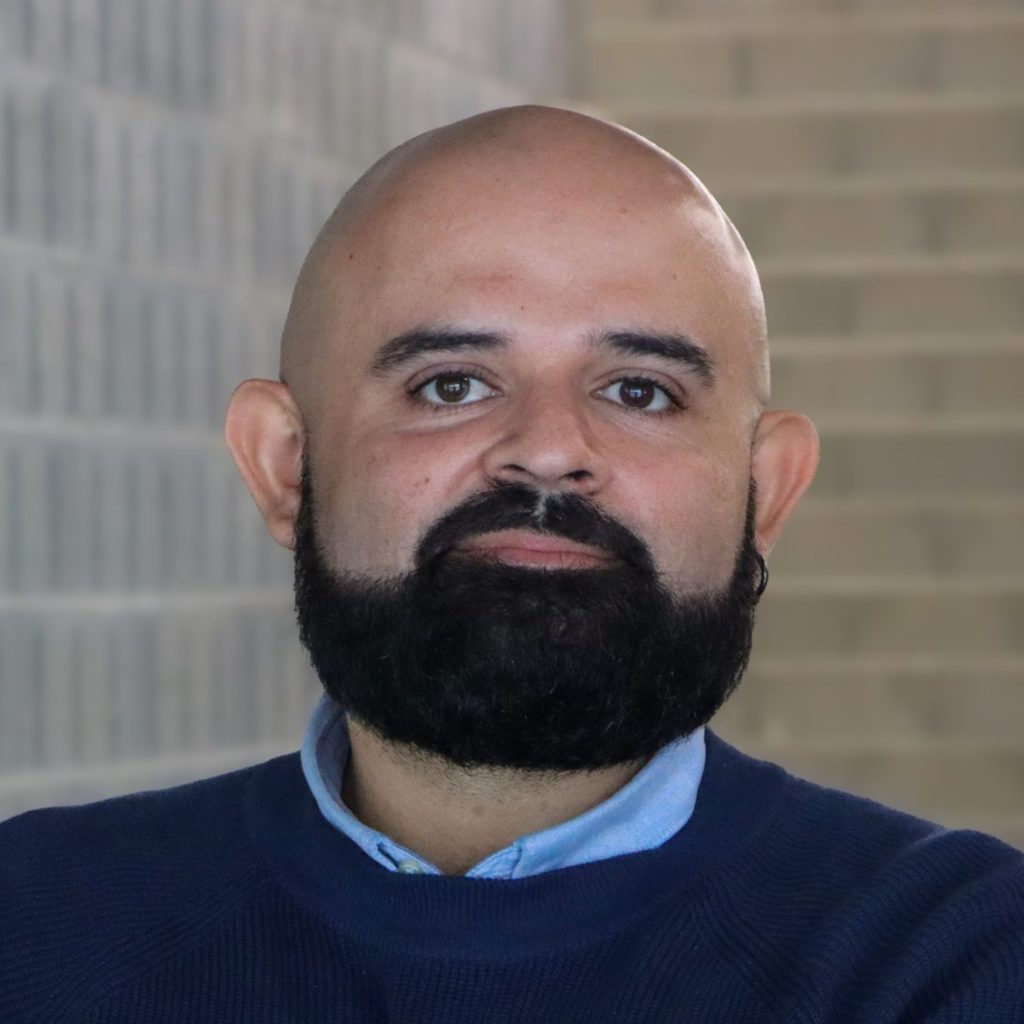
Ena Dražić is a Research Assistant at the Faculty of Engineering, University of Rijeka, and a PhD student at the Faculty of Science, University of Zagreb. She completed her Master’s degree in Medicinal Chemistry in 2024, when she began working on the self-assembly of Fmoc-protected amino acids, which sparked her broader interest in peptide-based materials.
Her current research focuses on peptide self-assembly and the design of functional soft materials, with particular emphasis on understanding how molecular structure influences supramolecular organization and material properties. During her doctoral studies, she continues to explore peptide systems and their potential applications in biomaterials and related fields.
As part of her training, Ena spent three months at the i3S Institute in Porto through an Erasmus traineeship, where she gained hands-on experience in peptide self-assembly and biomaterials science in an international research environment.
Personal page >>
Carlos Redondo-Gómez
i3S, University of Porto, Portugal
Carlos Redondo-Gómez
i3S, University of Porto, Portugal
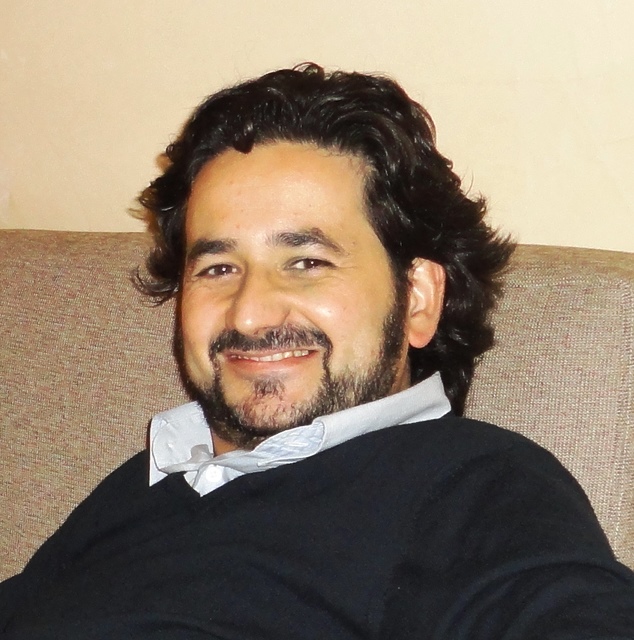
Dr Redondo-Gómez develops responsive nanobiomaterials based on self-assembling peptides for targeted diagnosis/therapies. He has extensive experience in bioengineering peptide- and protein-based self-assembling biomaterials, and he is also a Member of the Royal Society of Chemistry.
He received his BSc in Chemistry and MSc in Supramolecular Chemistry from the University of Costa Rica (UCR), and then he received his PhD in Medical Engineering from Queen Mary University of London (QMUL, 2020). He has acted as a researcher in nanobiomaterials, as Scientific Adviser and R&D Director for the Ministry of Science, Innovation, Technology and Telecommunications of Costa Rica (MICITT).
ORCID >>
Personal page >>
Rui Fernandes
i3S, University of Porto, Portugal
Rui Fernandes
i3S, University of Porto, Portugal

Rui Fernandes started a position as the head of the Advance Tissue Analysis Facility (ATAF) at the Institute for Molecular and Cell Biology, currently Histology and Electron Microscopy (HEMS), in 2002. HEMS gives support on Transmission Electronic Microscopy (TEM), and Histology. The Facility provides both the equipment and technical support to researchers needing high-level optical and TEM to tackle studies of either biological samples or in the area of material sciences. Besides the instruction for researchers, the Facility also offers training courses on master's, and PhD programs of the University of Porto, as well as guided visits to high school students. Dr Fernandes has participated in numerous studies, namely: conventional Ultrastructure; immunoelectromicroscopy; elemental analysis EDX; STEM among others. He graduated in Biology in 1996 at the Faculty of Sciences of the University of Porto, and is completing his PhD at the Faculty of Medicine - FMUP / i3S. He has more than 60 publications in international peer-reviewed journals.
ORCID>>
Personal page >>
Program
DAY 1 | 6 July 2026
09:15 Reception of participants and registration
09:30 Welcome address and introduction to the course
09:40 Participants’ presentation
10:00 Lecture 1 “Breaking Misconceptions in Applying Machine Learning to Peptides”
Goran Mauša | University of Rijeka, HR
11:00 Coffee Break
11:30 Lecture 2 “Coarse-grained molecular dynamics to design peptide materials with tailored properties”
Ivan R. Sasselli | Materials Physics Center (CFM), CSIC-UPV/EHU, ES
12:30 Lunch Break
14:00-17:00 Hands-on Session “ML workflows and MD analysis exercises”
Goran Mauša and Ivan R. Sasselli
DAY 2 | 7 July 2026
09:30 Lecture 3 “Controlling cellular behaviour using supramolecular systems”
Ricardo A. Pires | I3B’s, PT
10:30 Coffee Break
11:00 Lecture 4 “Cell-penetrating peptides as future tools to improve skin health?”
Ines Neundorf | University of Cologne, DE
12:00 Lunch Break
13:30-17:30 Laboratory sessions
“Sample preparation”
“Biophysical Characterization: UV–Vis Spectroscopy”
“Transmission Electron Microscopy”
DAY 3 | 8 July 2026
09:30 Lecture 5 “Molecular Dynamics and Beyond: Computational Insights In Cosmetics Research”
Artur Cavaco-Paulo | University of Minho; Solfarcos Ltd., PT
10:30 Coffee Break
11:00 Lecture 6 “Adapting Scholarly Communication for the Digital Era: Publishing Strategies for 2026 and Beyond”
Ruben Ragg | ChemBioChem/ChemFoodChem at Wiley-VCH, DE
12:00 Lunch Break
14:00 MOBILIsE Seminar in Molecular Bioengineering
“Peptide Materials for Protection and Encapsulation”
Rein Ulijn | CUNY Graduate Center, USA
15:30-17:30 Laboratory sessions
“Biophysical Characterization: UV–Vis Spectroscopy”
“Transmission Electron Microscopy”
“Working on group presentations”
DAY 4 | 9 July 2026
09:30 Lecture 7 “Reinventing Collagen Protection: From KP1 Discovery to Next-Generation Retro-Inverso Peptide Cosmetics“
Anna Maria Papini | University of Florence, IT
10:30 Coffee Break
11:00 Lecture 8 “Cosmetic peptide-based conjugates as multifunctional agents for advanced wound care”
Ana Gomes | LAQV REQUIMTE, FCUP, University of Porto, PT
12:00 Lunch Break
14:00 MOBILIsE Seminar in Molecular Bioengineering
“The End of Dirty Chemistry: Industrializing Ethics in Peptide Cosmetics“
Anna Maria Papini | University of Florence, IT
15:30-17:30 Hands-on session
“Working on group presentations”
DAY 5 | 10 July 2026
09:30 Lecture 9 “Harnessing peptides for the biomanufacturing of in vitro skin models”
Rúben Pereira | i3S and ICBAS, University of Porto, Portugal
11:00 – Session for COST participants about COST financial support
11:30 – Working on group presentations & Lunch Break
14:00-16:45 Delivery of group presentations
16:45 Course Closure
MOBILIsE Hub*/ P.CCC**
200 €
SNOOPY COST Action CA23111
FREE
Other
300 €
Registration fee includes:
> coffee breaks
> certificate of attendance
> course materials
**MOBILIsE Hub (i3S, INEB, IBMC, IPATIMUP, LAQV REQUIMTE, IPO.PORTO, CICECO-UA)
*P.CCC - Porto Cancer Comprehensive Centre
To register, you need to submit a short CV and a letter explaining the motivation and relevance of this course for your career and current work (max. one A4 letter- page each).
Please note that your registration does not confirm that you have been selected for the course. Participation will be confirmed by email as soon as possible, after the selection process. Payment details will be provided once registrations are accepted.
Registration deadline: 8 Apr 2026
Free registration and travel reimbursement for CA23111 members: 20 spots are available for young researchers. The selection will be based on the quality of the application, consisting of the CV and motivation letter, and taking into account geographical diversity and gender balance. After the selection process, the accepted participants will be announced.
CANCELATION POLICY
By the participant: If a registered participant wishes to cancel a paid registration or does not attend the course, the fee will not be refunded. Substitutions will only be made in exceptional circumstances at the discretion of the course organisers. Any cancellation or substitution request should be made by e-mail.
By the organiser: The i3S reserves the right to cancel the course, in case of an insufficient number of participants, organisational reasons, or other unforeseeable events that render the execution of the course impossible. In this case, the fee will be refunded. In addition, i3S reserves the right to amend course times, dates or published prices if necessary. The organiser shall immediately inform the pre-registered participants of these alterations.